
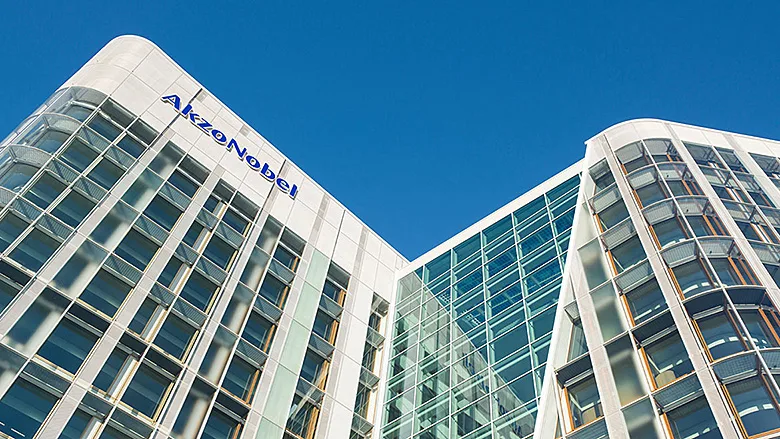
Britain’s Competition and Markets Authority (CMA) has moved closer to approving the proposed $25 billion merger between Dutch paint maker AkzoNobel and US-listed Axalta Coating Systems after finding that the sale of AkzoNobel’s European vehicle refinish coatings business could address its competition concerns.
The regulator’s decision on 25 November 2026 follows plans to divest two businesses with combined annual revenue of just under €500 million. Despite the planned disposals, AkzoNobel reaffirmed its target of $600 million in annual cost savings in October.
European Coatings Business Sale Could Resolve UK Competition Concerns
The CMA’s investigation found that the merger would create the clear market leader in UK vehicle refinish coatings, removing an important alternative supplier for businesses involved in vehicle repairs and maintenance.
The regulator’s initial findings put the companies’ combined share of UK vehicle refinish coatings supply at between 40% and 50%. The loss of competition could result in higher prices and fewer purchasing options for body shops, with additional costs potentially passed on to motorists.
AkzoNobel has proposed selling its vehicle refinish coatings business across the European Economic Area, the UK and Switzerland. The sale would include the brands, assets, contracts and employees necessary for the business to operate under new ownership.
The CMA found no significant competition concerns in the supply of thermosetting powder coatings in the UK and European Economic Area, where customers would retain access to sufficient alternative suppliers.
Planned Disposals Cover Businesses Generating Nearly €500 Million in Revenue
The European vehicle refinish coatings operation is not the only business identified for disposal. An investor presentation filed with the US Securities and Exchange Commission on 21 October also confirmed plans to sell Axalta’s North American wood coatings business.
Speaking during an investor Q&A on the same day, AkzoNobel CEO Gregoire Poux-Guillaume disclosed that the two businesses generated combined revenue of slightly less than €500 million. He said their profitability was broadly in line with the proposed combined company’s target of between 19% and 20%.
Management had already begun approaching potential purchasers for the European refinish business, while Axalta was conducting a sale process for its North American operation. The eventual sale prices and financial proceeds were not disclosed in the announcements reviewed.
AkzoNobel Maintains $600 Million Annual Cost Savings Target
When the all-stock merger was announced in November 2025, the companies outlined plans to create a global coatings manufacturer with approximately $17 billion in combined revenue, based on 2024 figures.
The original financial targets included $600 million in annualised pre-tax cost synergies, primarily through procurement, administrative efficiencies, manufacturing network optimisation and supply chain improvements. Management expects to achieve around 90% of these synergies within three years of completion, equivalent to approximately $540 million in annualised savings.
In October, Poux-Guillaume told investors that potential regulatory remedies had been factored into the original calculations, allowing management to retain its $600 million target despite the planned disposals. The savings nevertheless remain a management forecast and depend on the successful completion and integration of the two companies.
AkzoNobel and Axalta Maintain Early 2027 Completion Target
Shareholders of both companies approved the merger in August 2026, followed by conditional clearance from the European Commission in November. AkzoNobel confirmed that the remedies offered to the CMA are the same as those agreed with the European regulator.
The CMA will consult on the proposed undertakings and prospective purchaser before making its final decision. Acceptance would avoid the need for an in-depth Phase 2 investigation in the UK. The companies expect to complete the merger by early 2027, subject to outstanding regulatory approvals and other closing conditions.